Chiropractic care in Portsmouth, Ohio
The evaluation comes before the care plan
The first appointment has a simple job: understand the problem well enough to make a sensible decision. The history should cover when the concern began, what changes it, what daily activities are affected, relevant health conditions, medications, previous injuries, and other care you are receiving. The examination should then be chosen to answer the questions raised by that history.
Before a plan is discussed, the office should explain the findings, what remains uncertain, and whether chiropractic care, another conservative option, medical evaluation, imaging, or referral makes sense. The first-visit guide shows that sequence step by step.
Spinal manipulation and other care options
Spinal manipulation is one possible treatment used in chiropractic care. It is not the definition of the entire visit and it is not appropriate for every concern. The National Center for Complementary and Integrative Health(opens in a new tab) describes spinal manipulation and mobilization, reviews evidence for some neck and low-back pain patterns, and notes possible short-term soreness or stiffness.
Research averages cannot predict how one person will respond. Your health history, examination findings, preferences, and other care all belong in the decision. Ask which approach is being recommended, why it fits the findings, and what alternatives exist.
Questions to ask before agreeing to a plan
Use questions that invite an explanation:
- What did the history and examination show?
- What are you trying to change or monitor?
- What options are available, including doing something different?
- What are the common short-term effects?
- Is anything in my health history important to this decision?
- How will we know whether the plan is helping?
- What would make you pause, change course, or refer me?
Good answers should make sense without a medical dictionary and should include what would cause the plan to change.
When medical care or referral is needed
Chiropractic care is not:
- Emergency care.
- A substitute for evaluation of stroke, heart, breathing, fracture, infection, or severe neurological warning signs.
- A way to rule out the need for imaging in advance.
- A set promise of pain relief, recovery speed, or visit count.
- A reason to stop medication or disregard another clinician's instructions.
Referral is not a detour from good care. Sometimes it is the most useful result of the evaluation.
Everyday chiropractic care and accident-focused care use different histories
For an everyday concern, start with the pattern: neck pain, back pain, headaches and neck tension, or joint and posture concerns.
When a collision started the problem, accident-focused care begins with the event, symptom timing, previous care, and crash-related records. The same symptom word can mean very different things depending on how it began.
How progress may be reviewed
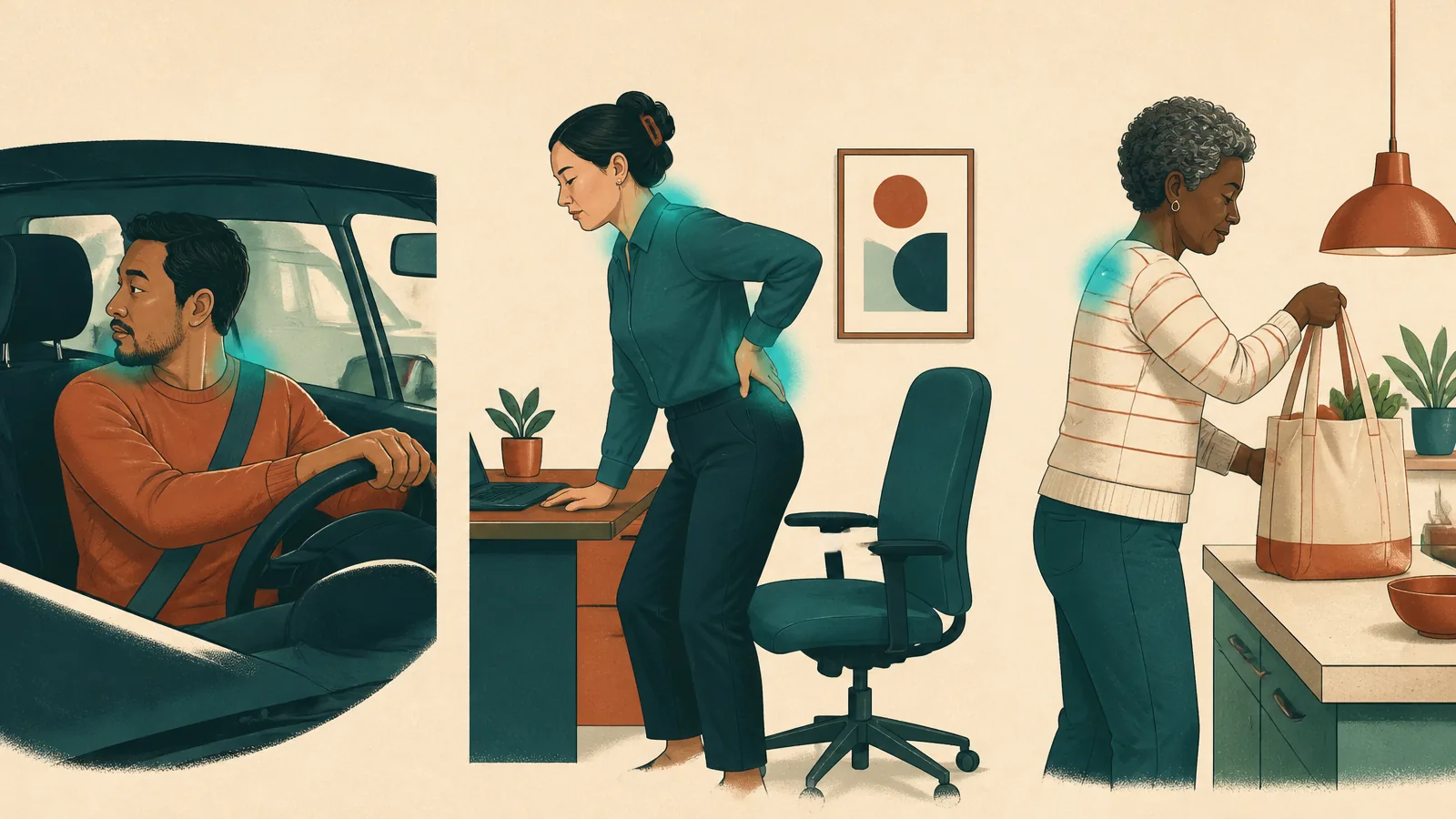
Pain scores are useful, but function often tells the story more clearly. Can you turn farther while checking traffic? Sit through more of a workday? Sleep with fewer interruptions? Lift a light object or walk more normally?
Choose one or two activities that matter to you and use them in follow-up conversations. If those activities are not changing, that is useful information too.
Frequently asked questions
Call about a chiropractic appointment in Portsmouth
Call (740) 876-8394 and describe what changed. Mention whether it followed a collision or developed on its own. You do not need a diagnosis or a treatment plan before you call. The office is at 719 Chillicothe Street, and the contact page has directions and the callback form.
Related guides
Your first visit
See what to bring, how the examination is organized, what questions to ask, and when another provider may be more appropriate.
Read the guideChiropractor in Portsmouth
Learn how the office approaches accident-related concerns, everyday neck or back pain, joint stiffness, and first-visit decisions.
Read the guideNeck pain (everyday)
Be ready to discuss neck stiffness, painful turning, shoulder-area pain, and changes during work, sleep, or driving.
Read the guideBack pain (everyday)
Learn how to describe mid- or low-back pain, identify warning signs, and prepare useful questions for an evaluation.
Read the guide
Sources and further reading
- NCCIH: spinal manipulation, what you need to know(opens in a new tab) — NCCIH summarizes spinal manipulation, current evidence, possible risks, and questions patients should discuss with a clinician.
- MedlinePlus: neck injuries and disorders(opens in a new tab) — Overview of the structures and causes involved in neck problems.
- MedlinePlus: back pain(opens in a new tab) — Overview of acute and chronic back pain and when to seek medical attention.
This page provides general information. It cannot diagnose an injury or replace emergency or medical care.