What to do after a car accident in Portsmouth
Check on people first at the scene
- Check yourself and passengers for injury.
- Call 911 when anyone may be hurt, traffic is unsafe, a driver leaves, or emergency assistance is needed.
- Follow dispatcher and officer instructions.
- Do not stand in moving traffic to take photographs.
- Do not move a seriously injured person unless immediate danger requires it.
For Portsmouth police contact and current department information, use the official Portsmouth Police Department page(opens in a new tab).
Exchange information and photograph the scene
Collect names and contact details. Save driver-license, plate, vehicle, and insurance details when appropriate. Note the responding agency and the report number if one is given.
Do not argue about fault or guess how bad an injury is at the roadside. A calm exchange of facts is enough. Once that is done and it is safe to move around, photograph:
- Overall vehicle positions.
- Each vehicle and visible damage.
- Plates.
- Traffic signals, signs, lane markings, and road conditions.
- Debris or skid evidence visible from a safe place.
- Relevant surroundings that establish location.
Do not step into traffic, get in the way of responders, or take invasive photos of injured people.
The first evening after the crash
If you were checked at a hospital, read the discharge instructions. Go back for any listed warning signs. Call 911 for worse confusion, repeated vomiting, seizure, or severe chest pain. Also call for trouble breathing, new weakness, heavy bleeding, or loss of consciousness.
The CDC list of concussion danger signs(opens in a new tab) is worth reading before you go to sleep. Do not wait for insurance approval before calling 911.
Keep everything in one folder the next day
Keep:
- Crash report number.
- Driver and insurer information.
- Photographs.
- Repair/tow details.
- Medical discharge papers and bills.
- Claim number and adjuster contact.
- A brief symptom timeline.
- Missed-work or transportation notes.
Keep original documents when you can. Do not send sensitive records through a plain website form.
One crash, four records
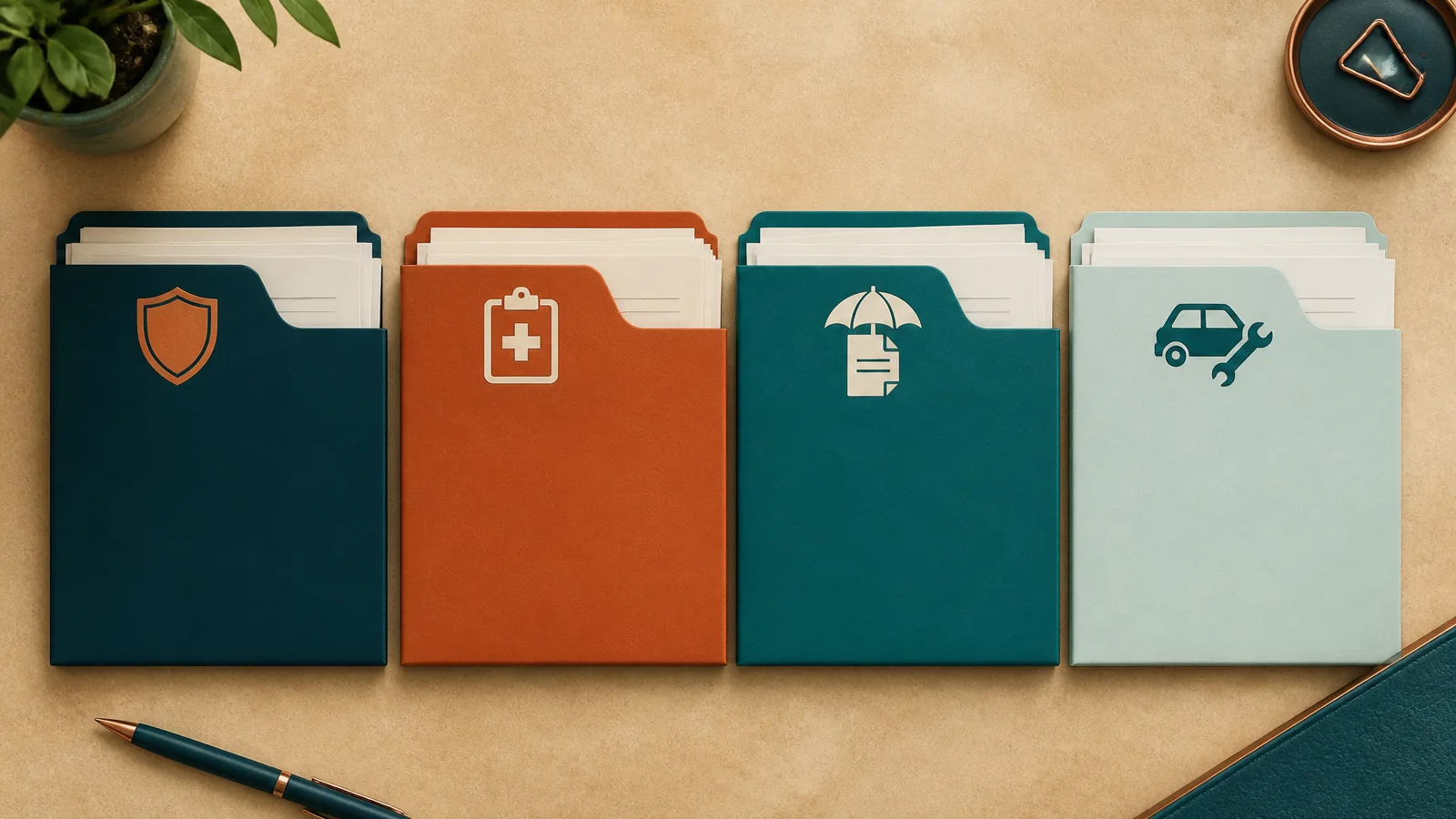
Keeping everything in one folder is useful, but the folder still contains different records that answer different questions. After a collision, four files often grow side by side:
- Law-enforcement record: what the responding agency documented about the event.
- Health-care record: what you reported, what was examined, what was found, and what was recommended.
- Insurance claim file: what the carrier received, requested, investigated, and decided under the policy.
- Vehicle file: photographs, tow records, estimates, repair documents, or total-loss paperwork.
Keep them together for convenience, but do not treat them as one record. A police report does not diagnose an injury. A medical note does not decide fault. An insurance file does not replace either one.
How to find the crash report
Ohio law-enforcement crash reports can be searched through the Ohio Department of Public Safety crash retrieval tool(opens in a new tab). Reports may not appear immediately.
If the report is not available, contact the responding agency or use the City of Portsmouth public-records process(opens in a new tab) when appropriate. The step-by-step crash report guide walks through both routes if the search comes back empty.
Talking with the insurance company
Report the crash under your policy. Ask for the claim number, adjuster contact, and instructions for vehicle inspection or repair. Do not guess when you do not know an answer.
If MedPay comes up and you are not sure what it covers, insurance and MedPay after an Ohio crash explains it in plain terms.
Keeping track of how you feel
Write the date, the symptom, and what it affects. "Neck became stiff the next morning; looking right while driving is hard" is more useful than a diagnosis copied from the internet.
That timeline is the most useful thing you can bring to a non-emergency appointment about car accident care in Portsmouth. Danger signs still belong with emergency or medical care, not an appointment next week.
If the question on your mind is whether any of this is worth an appointment, call (740) 876-8394 and describe what changed. You don't need the crash report or a diagnosis to ask.
Frequently asked questions
If a word on a report, form, or phone call is unfamiliar, the accident care glossary explains it in plain English.
Related guides
Ohio crash reports
Learn where Portsmouth and Scioto County crash reports are filed, how to search for one, and how to read common report fields.
Read the guideInsurance and MedPay
Review the differences among liability coverage, MedPay, and uninsured or underinsured motorist coverage, with links to Ohio consumer resources.
Read the guideCar accident care
See how the office evaluates non-emergency symptoms after a crash, documents findings, and decides when a medical referral is needed.
Read the guideInjuries index
Browse symptom guides for post-crash neck, back, head, nerve, shoulder, chest, hip, knee, arm, hand, and soft-tissue concerns.
Read the guide
Sources and further reading
- Portsmouth Police Department(opens in a new tab) — The City of Portsmouth publishes department contact information and current guidance for non-emergency police matters.
- Ohio Crash Report Search(opens in a new tab) — The Ohio Department of Public Safety provides the statewide search for crash reports filed by Ohio law enforcement agencies.
- City of Portsmouth public records request(opens in a new tab) — How to ask the city for a copy of a public record.
- Ohio Department of Insurance consumer services(opens in a new tab) — The Ohio Department of Insurance provides consumer education, complaint options, and help with coverage questions.