Can you sleep after a car accident? A practical night-one safety checklist
Published by Portsmouth Accident & Injury Center.
The house finally gets quiet. The report number is on the counter. Your phone has stopped ringing. Now every yawn feels suspicious because someone once told you never to sleep after a head injury.
The safest answer is not a slogan. It is a short decision tree.
First, were you given medical instructions?
If an emergency department, urgent care, or another clinician evaluated you, read those instructions again. They may address rest, medication, activity, monitoring, when to wake someone, and when to return for care. Those individualised directions outrank a general article.
If the instructions are missing or unclear, call the provider using the number on the discharge paperwork. Do not improvise a medication schedule from memory.
Second, are any danger signs present?
Also act on severe chest pain, trouble breathing, major bleeding, or another obvious emergency. Locally, Southern Ohio Medical Center(opens in a new tab) is the hospital most Portsmouth-area readers will be heading to. Sleep is not the decision when a person needs emergency assessment.
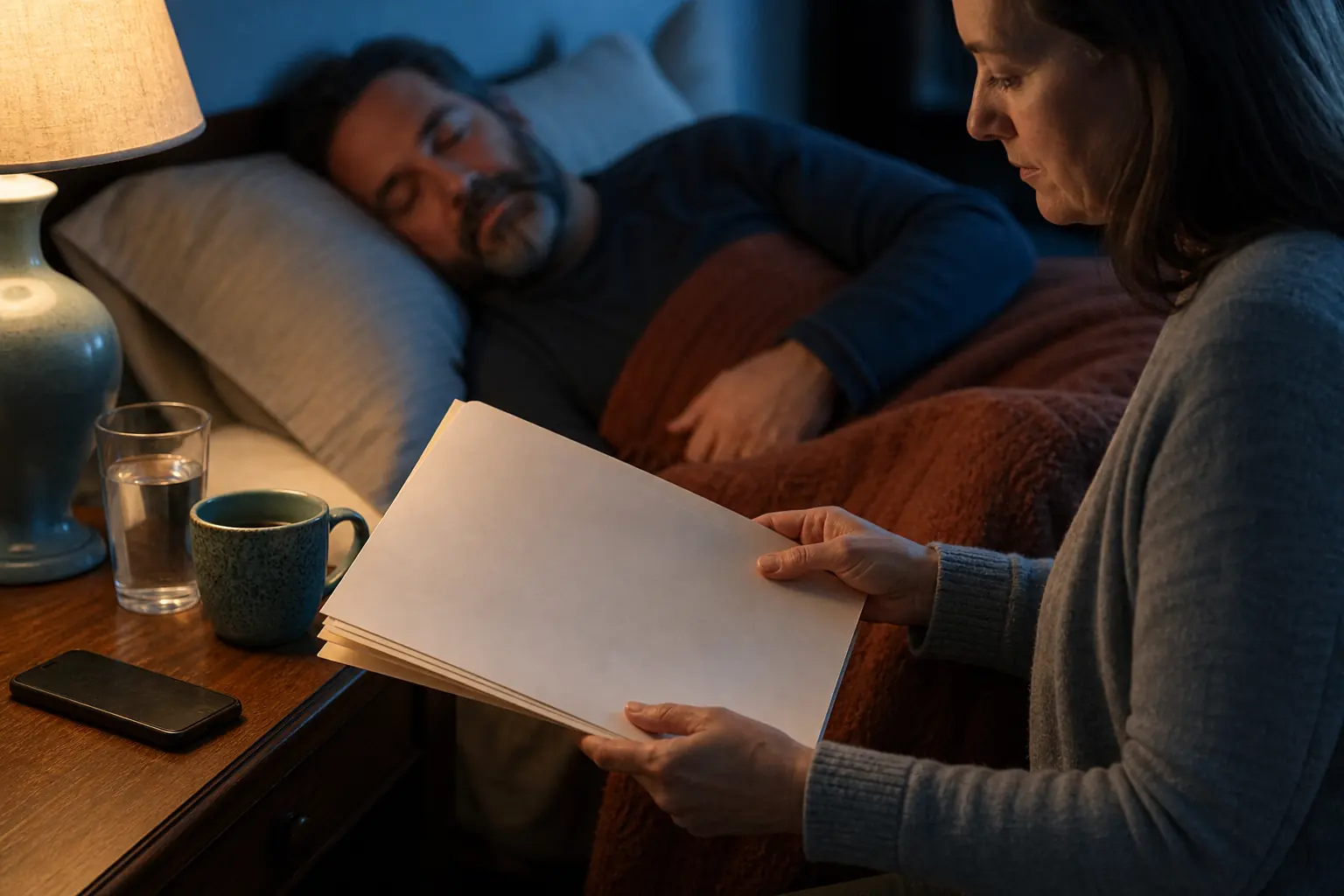
Third, is there a reliable plan for the night?
If a clinician advised monitoring, make the plan concrete. Who is staying nearby? What symptoms did the clinician say to watch for? Which number will you call? How will you get to care without driving yourself if symptoms make driving unsafe?
Keep discharge paperwork, identification, medication information, and the phone within reach. This is preparation, not an invitation to stay awake all night watching for symptoms.
Do you have to wake someone every hour?
The folklore version of the rule causes two mistakes: keeping someone awake without medical direction, or assuming that waking normally once proves there is no concussion. Neither replaces evaluation.
What if the main problem is neck or back soreness?
Use the sleep position that best follows your clinician's advice and does not create an unsafe situation. Avoid an aggressive new stretch, traction device, or forceful self-manipulation on night one. Jot down how often symptoms wake you and which position becomes uncomfortable.
The next morning, "woke at 1:10 and 4:30 when rolling right" is useful. "Didn't sleep" may feel true, but it is hard to compare later.
For neck concerns without emergency signs, see our rear-end neck stiffness guide. For the broader sequence, use the first 72 hours checklist.
What should stay off the nightstand?
Avoid alcohol and unapproved sedating substances, especially when discharge instructions warn against them. Do not double a dose because pain woke you. Do not use a public callback form to send medical records. Do not let an insurance call keep you from urgent care.
And put the search spiral away. If you are worried enough to be comparing twenty versions of the same symptom at 2 a.m., that is a reason to call a nurse line, a pharmacist, or the number on your discharge paperwork — not a reason to keep reading.
Night-one questions
Related guides
- HeadachesLearn which post-crash headache signs require medical care and when neck-related evaluation may be considered after urgent concerns are addressed.
- The first 72 hours after a Portsmouth crashFollow a practical timeline for safety, reports, insurer calls, symptom notes, and decisions that can wait.
- Emergency department, medical visit, or chiropractor?Choose the right setting after a crash by urgency, symptoms, scope, and what each kind of visit is meant to answer.
For care questions, start with car accident care after a collision or chiropractic care in Portsmouth for an everyday concern.
This page provides general information. It cannot diagnose an injury or replace emergency or medical care.