Soft-tissue injuries after a car accident
Common soft-tissue symptoms
- Local soreness.
- Stiffness.
- Swelling or bruising.
- Pain with movement.
- Muscle spasm or guarding.
- Reduced comfortable range.
- Symptoms that become noticeable later.
The MedlinePlus strain overview(opens in a new tab) describes a strain as a muscle stretched too far. It notes pain, movement trouble, bruising, or swelling as possible symptoms. Do not use that description to label every post-crash pain.
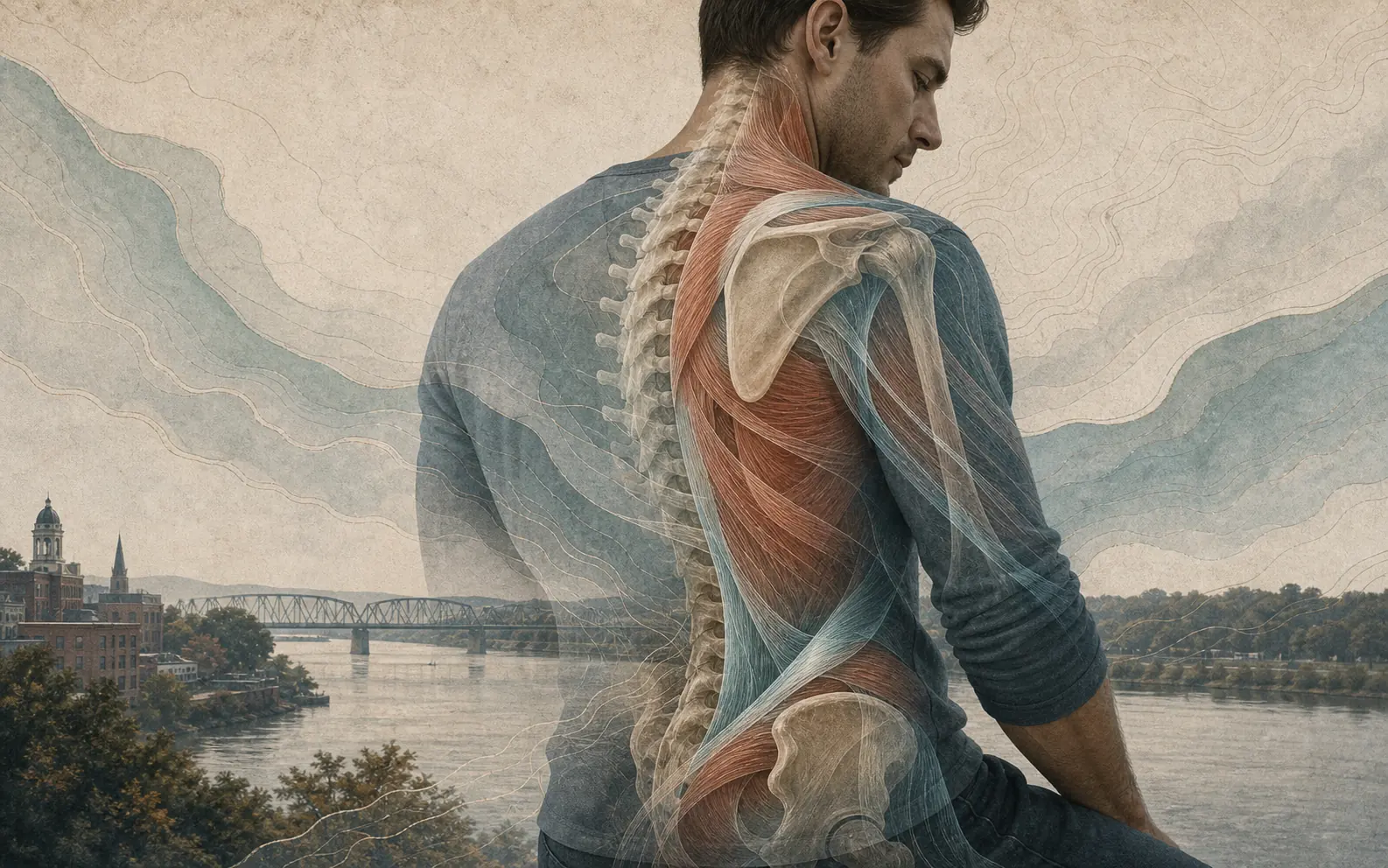
A normal X-ray does not always explain the pain
An X-ray may answer a bone question without explaining every symptom. Follow the provider's instructions and ask what the test did and did not evaluate. Additional care depends on the clinical situation. See the whiplash guide, the back-pain guide, and the full symptom index for patterns most often left over. If a shoulder is also involved, read shoulder and seat-belt injuries, and if tightening is the main issue, see muscle spasms after a crash. What to expect at a first visit explains the appointment, and car accident care covers the full process.
Changes in daily activities
Note which movement changed. Note what makes the symptom better or worse, and whether swelling, bruising, weakness, or nerve symptoms change. Seek medical care for severe pain, deformity, marked swelling, inability to use a limb, new weakness, or other urgent signs.
What will the exam actually tell you?
The exam looks at whether this fits muscle-and-joint care, whether someone else should see it first, and which gentle options are reasonable to start with. What no one can give you is a date. Recovery depends on which tissue is involved and how you respond, and anybody promising you a specific day is guessing.
Frequently asked questions
"Soft-tissue injury" is what someone else called it. Tell us what you can't do.
Call (740) 876-8394 and name one thing — reaching a top shelf, turning to back out, getting through a shift. That is a complete first call. We'll tell you what to bring, and we'll tell you honestly if a different kind of provider should look first. Prefer to be called back? Request a callback for scheduling basics.
Related guides
Delayed pain
Build an accurate timeline of symptoms noticed after the crash scene and learn which delayed changes still require prompt medical care.
Read the guideMuscle spasms
Learn how to describe muscle tightness or spasms after a Portsmouth crash and which warning signs need medical care.
Read the guideShoulder and seat belt injuries
Notice changes in shoulder movement, belt-area soreness, bruising, chest symptoms, and breathing after a crash.
Read the guideCar accident care
See how the office evaluates non-emergency symptoms after a crash, documents findings, and decides when a medical referral is needed.
Read the guide
This page provides general information. It cannot diagnose an injury or replace emergency or medical care.