Muscle spasms after a car accident
What people mean by muscle spasm
People use the word for several feelings. It can mean a visible twitch. It can mean a muscle that suddenly hardens, tightens again and again, or cramps with pain. The term does not say whether the cause is muscle strain, guarding, nerve irritation, medication, dehydration, poor blood flow, an underlying condition, or something else.
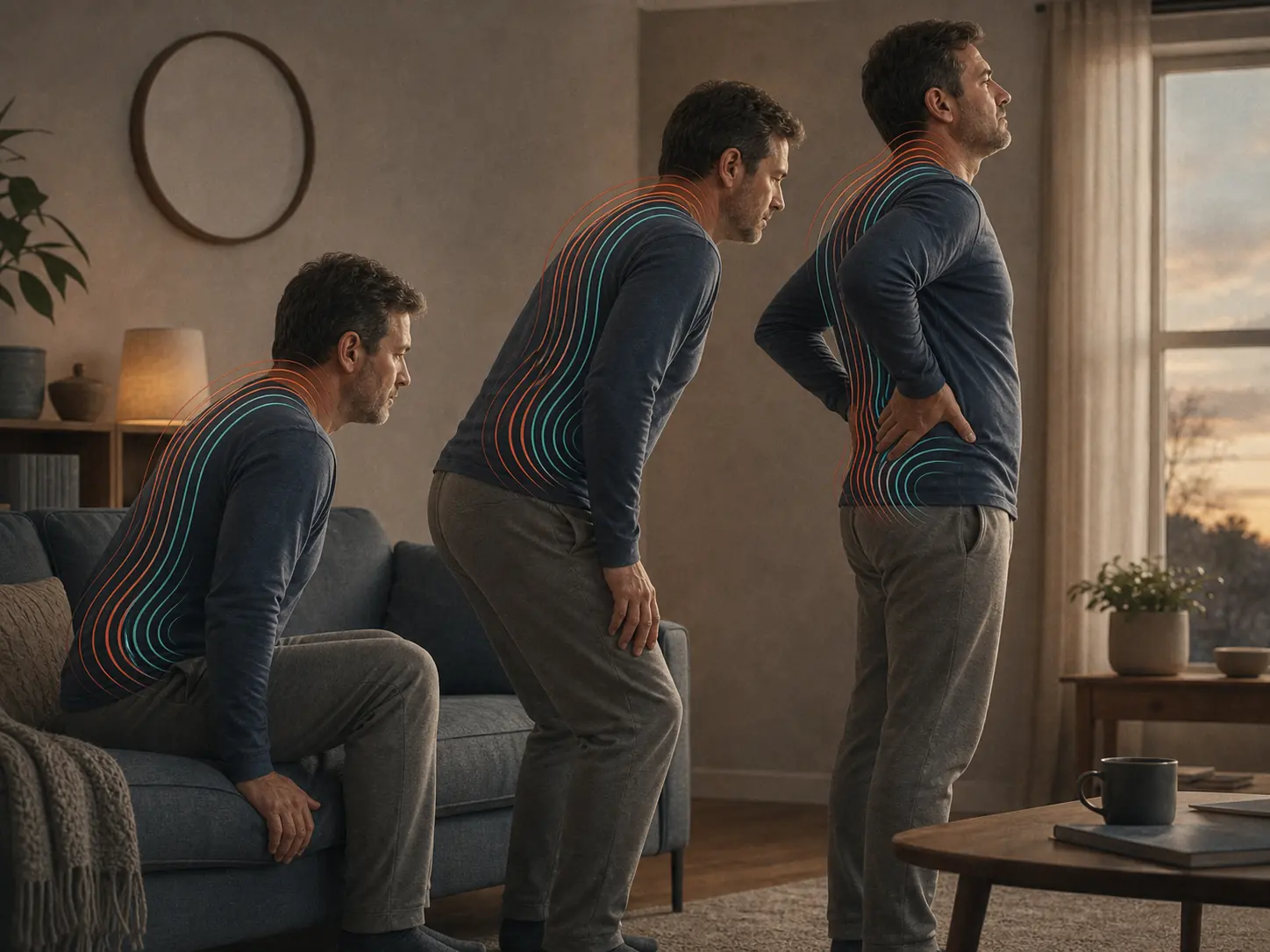
Describe what you can observe. Try this: “The right low back tightens for about 20 seconds when I stand after driving.” That is clearer than “my back is out.” Note whether the area relaxes fully between episodes.
When the spasm happens
Pay attention to where the tightening happens, what brings it on, how long it lasts, and what helps it settle. Notice too whether weakness, numbness, swelling, fever, or other warning signs come with it. The MedlinePlus muscle cramps overview(opens in a new tab) lists several ordinary reasons a muscle can cramp.
For a few days, jot down:
- Body area and side.
- Time of day.
- What you were doing just before it started.
- How long it lasted.
- Whether the muscle visibly moved or only felt tight.
- Pain, numbness, tingling, weakness, swelling, redness, or warmth.
- Sleep, activity, hydration, and any recent medication change.
- Whether the pattern is improving, stable, or becoming more frequent.
Keep the log private and concise. The goal is not to predict a diagnosis; it is to make the conversation more specific.
Muscle symptoms that need medical care
Seek medical care for severe or ongoing spasms, marked weakness, or a limb that is swollen or warm. Also seek care for new numbness, fever, dark urine, or worsening symptoms after major trauma. Loss of bladder or bowel control, groin numbness, or major weakness needs urgent or emergency care. So does chest pain, trouble breathing, or confusion.
Call 911 when the situation is emergent. Follow discharge instructions from the hospital or another medical provider. Do not use temporary relaxation of a spasm as the only test of whether an injury is safe.
The location of the symptom guides the examination
A neck spasm with headache or dizziness needs attention to head-injury and nerve warning signs. Mid-back tightening with chest pain or trouble breathing is a medical question first. Low-back spasm with symptoms traveling into a leg raises different questions than local soreness. Calf cramping with swelling, redness, or warmth is not just an ordinary muscle knot.
Related guides:
- Whiplash after a car accident.
- Back pain after a crash.
- Disc and nerve pain.
- Chest and rib pain.
- Delayed pain after a car accident.
Recommendations should follow the examination
An accident-focused visit may review the crash, symptom timing, and prior care. It may also check movement, tenderness, strength, nerve findings, and what triggers the complaint. The findings may support a simple muscle and joint plan. They may instead show that a medical opinion, imaging, or another provider fits better.
No treatment schedule should be promised before the history and exam. Your account deserves to be heard, and the record should state plainly what the exam shows — and what it doesn't.
Read car accident care at the Portsmouth office and what to expect at a first chiropractic visit. The full symptom index and the soft-tissue guide cover what often sits alongside a spasm. If the spasm centers on your back or neck, those pages go further.
What to bring to your appointment
Describe the symptom and its timing in your own words, and bring any relevant records you already have. It is better to say what you feel than to repeat a label from a form, unless a qualified provider actually made that diagnosis.
For paperwork questions, use the insurance and MedPay guide.
"My back grabbed when I stood up." That's the call.
You don't need to know what caused it, and you don't need it to be happening while you're on the phone. Ring (740) 876-8394, describe where and when, and we'll tell you what to bring — or tell you honestly if a medical evaluation should come first. Prefer to be called back? Request a callback for scheduling basics.
Frequently asked questions
Related guides
Whiplash
Learn which symptoms may follow a rapid neck movement, which warning signs need medical care, and what an evaluation can clarify.
Read the guideBack pain
See how the location, timing, and movement changes help describe back pain after a crash, along with symptoms that require urgent medical attention.
Read the guideDisc and nerve pain
Learn how to describe radiating pain, numbness, tingling, or weakness and when those symptoms change the urgency of care.
Read the guideDelayed pain
Build an accurate timeline of symptoms noticed after the crash scene and learn which delayed changes still require prompt medical care.
Read the guide
This page provides general information. It cannot diagnose an injury or replace emergency or medical care.